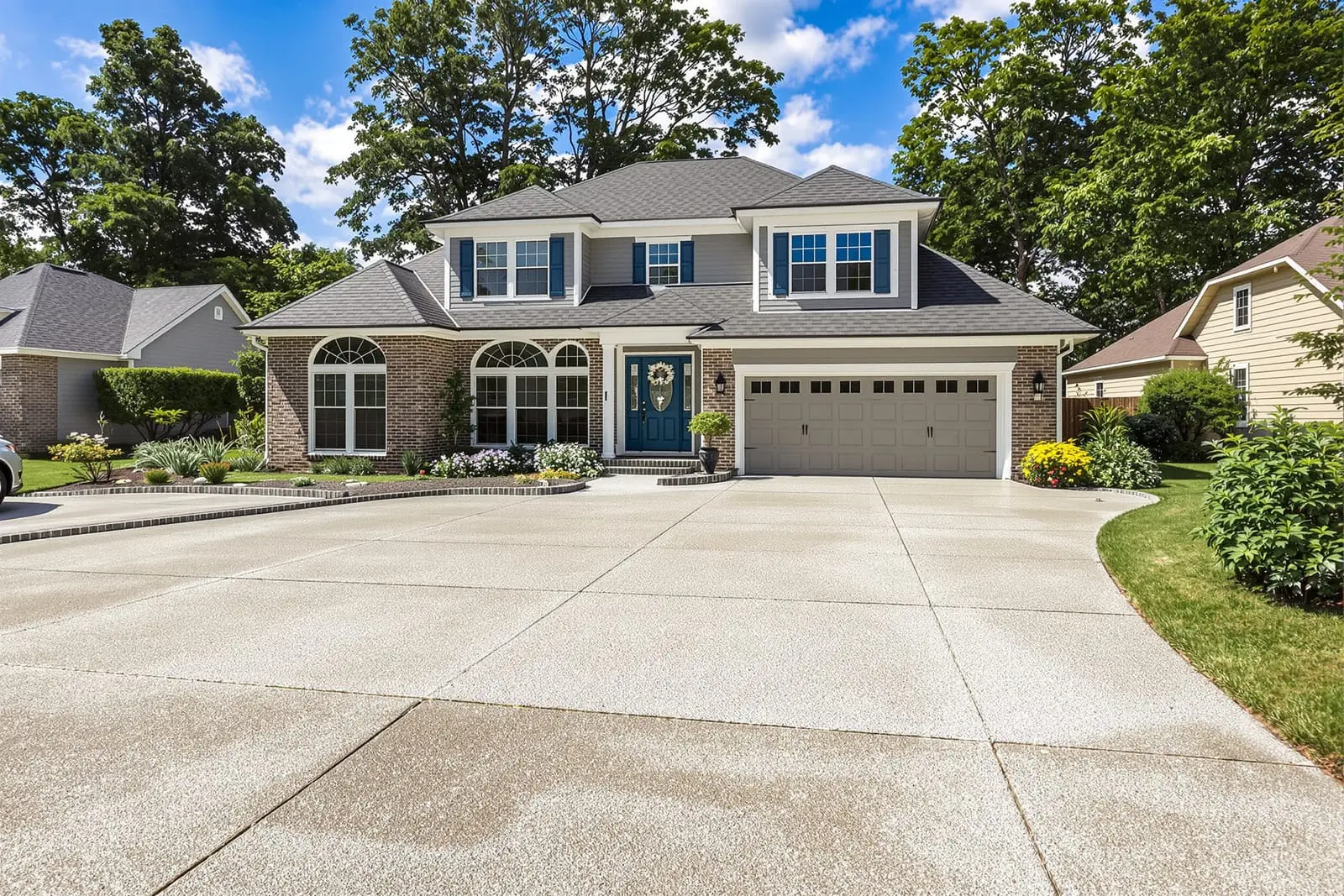
Primetime Concrete Austin provides concrete demolition in Austin, TX to safely remove old or failing slabs. We break up driveways, patios, and foundations, then haul away debris for proper disposal. Our crew protects nearby structures and surfaces so your site is clean and ready for new work.
Primetime Concrete Austin provides professional concrete demolition throughout Austin, TX and the surrounding area. Our licensed, insured crew delivers safe, clean, on-time work with a free estimate before anything begins. Call (737) 271-7931 or request your free quote.
Concrete Demolition in Austin That Fits Your Property, Not a Template
Concrete demolition in Austin is rarely one-size-fits-all. A 1970s driveway in Windsor Park behaves very differently from a 5-year-old foundation slab in Circle C, and the wrong approach can damage utilities, landscaping, or even your home. Primetime Concrete Austin starts every concrete demolition job with a site walk, not a guess. We look at slab thickness, any visible cracks, how close the concrete is to structures or trees, and whether it was likely poured with rebar, mesh, or post-tension cables.
For many Austin homes, we see 4 to 5 inch driveway slabs with wire mesh and 2 to 3 inch patio overlays. Older central Austin garages and carports sometimes have 6 inch slabs with heavier steel. That matters because it affects what equipment we bring, how we cut the concrete into manageable sections, and how we keep vibrations away from your house or pool.
We also pay close attention to elevation and drainage. A lot of Austin properties sit on sloped lots or clay-heavy soil. When we remove old concrete, we note how the water currently runs and what problems you might be facing, like water pooling at your foundation or flowing toward neighbors. Even if we are only doing demolition and haul-off, we will talk through how this removal sets you up for a better replacement surface or grading later.
How We Actually Break, Cut, and Remove Concrete
Concrete demolition is more than just hitting a slab with a jackhammer. Primetime Concrete Austin typically follows a set process so the work is controlled and predictable.
First, we locate utilities. We ask you about sprinkler lines, drainage pipes, electrical conduits, and any previous repairs. For bigger jobs, or anytime we are close to the house or street, we call for utility locates. Austin homes often have shallow irrigation and French drains close to driveways and patios, so we plan our cuts to avoid them.
Next, we saw cut control lines. For driveways, we often cut strips 2 to 3 feet wide. For patios and walkways in tight yards, the pieces may be smaller so they can be carried out by hand. A concrete saw with a water feed keeps dust down, which is important in dense neighborhoods like South Austin or Crestview.
Once cut, we use breakers, skid steers, or mini-excavators to break and lift sections. Thicker slabs and reinforced concrete require heavier equipment, while second-story decks, interior floors, or courtyard patios might need handheld tools moved in through gates or the house. We always protect nearby surfaces with plywood or mats when we need to cross them with machines.
After the concrete is broken out, we separate metal from rubble. Rebar and wire mesh are pulled and loaded separately so they can be recycled. Rubble is loaded into dump trailers or trucks and hauled to approved concrete recycling or disposal sites around the Austin area. Before we leave, we rough rake the exposed soil, remove sharp debris, and leave the area tidy enough that you can walk it safely and start the next phase of your project.
What Drives Concrete Demolition Cost in Austin
Concrete demolition pricing looks simple on the surface, but several details move the number up or down. Primetime Concrete Austin explains these before we start so you are not surprised by the final cost.
Thickness and reinforcement are the first big factors. A 3 inch patio with light mesh is quick to demo. A 6 inch commercial-style slab with heavy rebar or embedded anchor bolts takes more time, more cutting, and larger equipment. In some older Austin neighborhoods we also run into unexpected thickened edges or turn-down footings that add work.
Access is next. A wide driveway in a typical suburban subdivision lets us back equipment and trucks right up to the slab. A backyard patio behind a narrow side yard in Travis Heights or Bouldin might not. When everything has to be cut smaller and carried or wheelbarrowed out, labor goes up. Steps, retaining walls, and tight gates all affect how we plan and price the job.
Disposal weight is a real cost driver. Concrete is heavy. A 400 square foot driveway at 4 inches thick can weigh several tons. Landfill and recycling centers in the Austin area charge by weight, and we have to factor multiple dump runs, travel time, and fuel. Large projects sometimes get better unit pricing simply because we can plan full loads more efficiently.
Finally, location and risk change the approach. Demolishing a freestanding backyard slab that sits away from the house is one level of risk. Breaking out a slab that butts directly to your pier and beam foundation, pool coping, or city sidewalk is another. If we need to use lighter tools, extra protective measures, or hand-excavate around gas lines or delicate stonework, that additional care is reflected in the estimate.
Common Problems We See and How We Handle Them
Concrete demolition in Austin often uncovers surprises. Primetime Concrete Austin has seen most of them, and we plan for what can go wrong before we fire up a saw.
Hidden utilities are one of the biggest issues. Sprinkler lines buried only a few inches under driveways, low-voltage lighting cables in garden borders, or old cast-iron drain lines under patios are common. When we suspect shallow lines, we start with test holes or light demo in those zones. If we hit a non-critical line like a sprinkler, we can usually repair it or leave it exposed and ready for your irrigation contractor.
Another issue is unstable subgrade. Austin has a mix of caliche, expansive clay, and areas with poorly compacted fill. When we remove old concrete, sometimes the ground underneath is soft or uneven. Instead of ignoring it, we will point it out, explain what it means for any new slab or surface, and offer options like additional compaction, fill material, or drainage adjustments if you are also hiring us for replacement.
Dust, debris, and noise are real concerns, especially in close neighborhoods or near businesses. We use water to control saw dust, manage work hours to respect your neighbors, and keep debris contained to the work area as much as the layout allows. For interior slab removal, garage floors tied into living spaces, or commercial interiors, we can use plastic sheeting, fans, and vacuums to keep dust out of the rest of the building.
Finally, access damage is something we actively work to avoid. To get equipment where it needs to go we often cross lawns or paver paths. We use plywood mats, track protectors, and planned routes to limit ruts and broken edges. If damage is unavoidable to something disposable, like an old rotted border, we will tell you beforehand instead of after the fact so you can plan for repair or replacement.
What to Know Before You Hire a Concrete Demolition Contractor
Before you bring in any contractor for concrete demolition, it helps to know what to ask and what to expect. Primetime Concrete Austin encourages homeowners and property managers to get clear answers in writing.
Ask how the contractor will verify utilities and what happens if they hit an unmarked line. You want a plan that reduces the chance of hitting anything important and that includes reasonable repair or coordination if something unexpected appears.
Get details about equipment and access. Will they be using a skid steer, mini-excavator, or only handheld tools, and how will that equipment get to the slab without tearing up your yard or cracking your existing driveway? For tight urban lots, second-floor decks, or interior slabs, confirm that they are prepared to work within those limitations instead of forcing heavy machines where they do not belong.
Make sure the quote spells out demolition scope, disposal, and cleanup. Some contractors only break the concrete and leave piles for you to handle. Primetime Concrete Austin typically includes demo, loading, haul-off to a proper facility, and basic grading or raking so you are not left with a hazardous construction mess.
Finally, think about what happens after demolition. Are you planning a new concrete pour, turf, landscaping, pavers, or a different structure entirely? The way we remove the slab can make the next phase easier or harder. If you plan to replace concrete, it often makes sense to have the same company handle both demolition and the new pour so elevations, drainage, and reinforcement can be coordinated from the start. We can talk through that with you during the estimate so the demolition is not just tearing something out, but actually setting your project up for long-term success.
“
Professional concrete demolition & removal, done right the first time, quality materials, honest pricing, and results that last.
Primetime Concrete Austin
Concrete Demolition & Removal Across Our Service Area