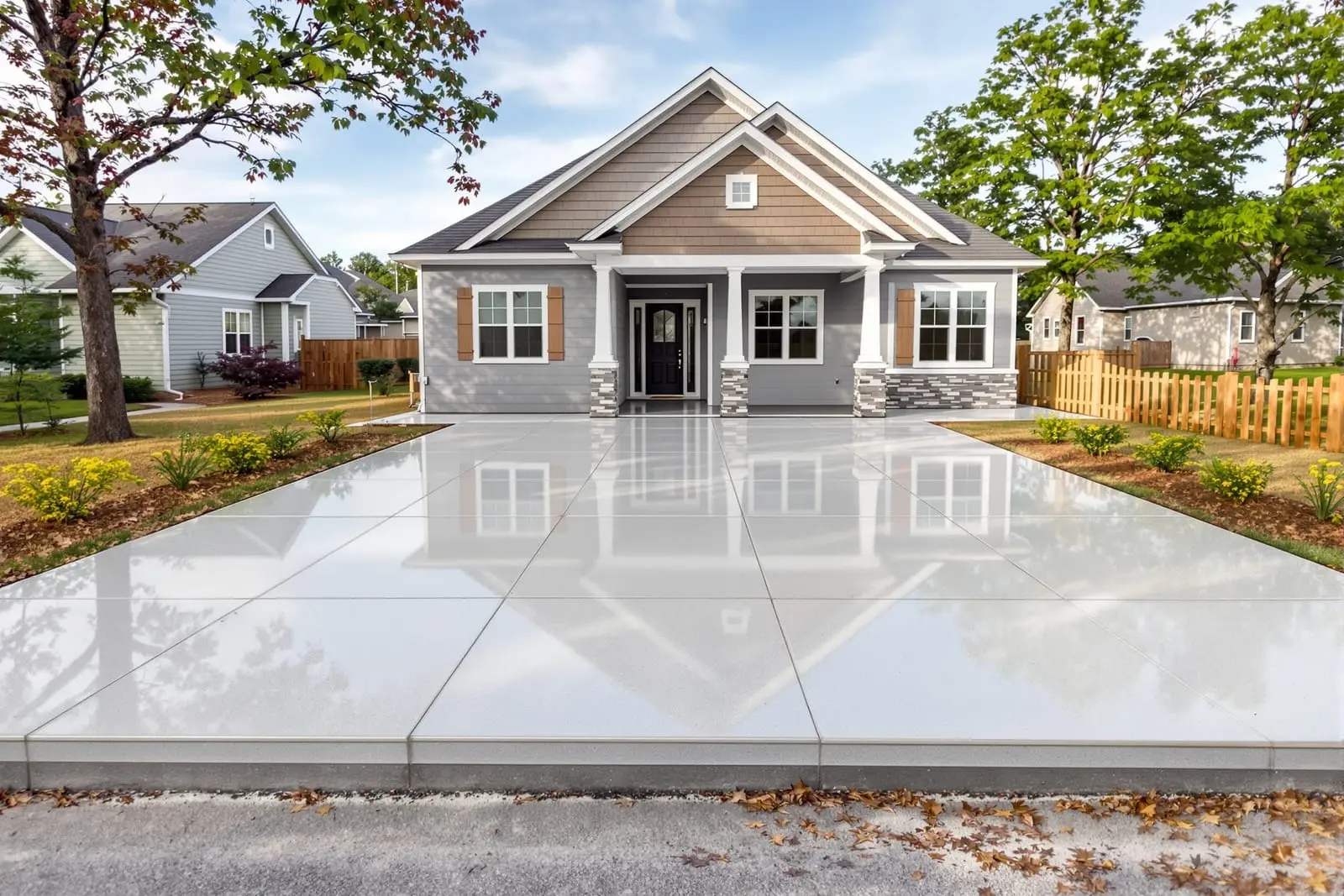
Primetime Concrete Austin provides concrete slab installation in Austin, TX for sheds, additions, workshops, and more. We handle excavation, reinforcement, and level pours that meet your structural needs. Our slabs are engineered for load, thickness, and drainage so your project starts on a solid foundation.
Primetime Concrete Austin provides professional concrete slab installation throughout Austin, TX and the surrounding area. Our licensed, insured crew delivers safe, clean, on-time work with a free estimate before anything begins. Call (737) 271-7931 or request your free quote.
Concrete slab installation in Austin that starts with your property, not a template
When you call Primetime Concrete Austin about concrete slab installation, we do not show up with a one-size-fits-all plan. We start with how you actually use the space and what the soil is doing under your feet. A slab for a Zilker bungalow addition is not the same as a slab for a South Austin RV pad or a warehouse off Highway 71, and we design around those differences.
Your first visit is a site walk. We look at access for trucks and equipment, overhead power lines, tree roots, and how water moves across your lot when it really rains. In Austin, that combination of sudden storms and long dry stretches can be rough on slabs, so we pay attention to drainage and slope from day one. We measure, photograph, and note nearby structures, fences, and utilities so there are no surprises once digging starts.
We also ask about what might be added later. For example, if you think you may enclose a patio slab in a few years, we can plan thicker edges, conduit for future electrical, and proper elevation relative to your existing foundation so you do not end up with a step or trip hazard. All of this gets translated into an estimate that explains thickness, reinforcement type, and the mix we recommend for your specific project, not just a single line that says "slab".
How Primetime Concrete Austin actually installs a slab, step by step
A good concrete slab installation in Austin is mostly about what happens before the truck shows up. We begin by calling in utility locates so we know where gas, water, and electrical lines are. Then we strip grass, old concrete, or loose fill and compact the native soil using plate compactors or rollers, depending on the size of the project. In many Austin yards you will find clay pockets under a thin rocky layer, so we test compaction and address soft spots instead of just building on top of them.
Next we build the forms. We set sturdy wood or metal forms, then shoot elevations with a laser level to confirm slopes and finished height. For patios and driveways, we usually pitch the slab slightly away from the house (often 1/8 to 1/4 inch per foot) so water runs where it should. On interior or conditioned spaces, like room additions or garages, we set the forms to match your existing finished floor elevations as closely as possible.
Once forms are correct, we install a base layer and reinforcement. Typical residential slabs get 3 to 4 inches of compacted gravel or road base, but for heavy-use areas or poor soil we may increase that. On top of the base we place rebar or welded wire mesh, supported on chairs so the steel stays in the middle of the slab, not lying on the ground. For many Austin projects we prefer rebar on a grid, often #3 or #4 at 12 to 18 inches on center, because the local clay soil can swell and shrink between dry summers and rainy seasons. That reinforcement helps the slab bridge those small movements.
On pour day we schedule concrete from a reliable local batch plant, typically in the 3,000 to 4,000 psi range depending on use. We place the mix quickly so it does not start to set in the truck under Texas heat. The crew levels it with screeds, then uses bull floats and hand tools to bring up cream and work out imperfections. As the surface firms, we cut in control joints in a pattern designed to manage cracking. Every slab will try to crack at some point, and these planned joints help it crack in straight lines where it is less visible and less damaging.
We finish by troweling or broom-texturing the surface, depending on how the slab will be used. Driveways and walkways usually get a broom finish for grip when wet, while interior slabs or covered patios might get a steel trowel or machine finish that is smoother and easier to clean.
Choosing the right slab type, thickness, and finish for Austin conditions
Not every concrete slab installation in Austin needs the same thickness or reinforcement. For a basic backyard patio that will only see people and furniture, a 4 inch slab with proper reinforcement and base is usually enough. For a driveway that will see trucks or work vans, we often recommend 5 to 6 inches with tighter rebar spacing or higher psi concrete. If you are planning to set a hot tub or heavy equipment on a slab, we may thicken the entire area or design thickened pads where the legs or wheels will sit.
Expansion joints and isolation joints matter a lot in our climate. Where the new slab meets your home’s foundation, we typically install a foam isolation strip so the two structures can move a little independently without grinding against each other. Around pool decks and long walkways, we often break the slab into separate pours or include extra joints to reduce random cracking as temperatures swing from freezing nights in winter to triple-digit afternoons in August.
Finish choice is both a safety and maintenance issue. For outdoor areas that get wet, such as around pools or where sprinklers hit, a light or medium broom finish gives traction. For shop floors or garage slabs, many Austin homeowners choose a dense smooth finish that can later receive an epoxy coating or sealer. On exposed patios we can add texture with salt finishes or light decorative broom patterns that reduce glare and help hide dust and pollen that blow in during cedar and oak seasons.
We also discuss color and sealers in practical terms. Integral color or stains can help a driveway or patio blend with limestone or brick on older Central Austin homes, but we explain how these look after a few years of sun and traffic so your expectations stay realistic. Clear sealers can reduce staining from leaves and barbecue drips, but they need periodic reapplication, especially with our UV exposure and the occasional hailstorm.
What affects the cost of a concrete slab in Austin, and how we help you control it
With Primetime Concrete Austin, the goal is to make pricing understandable instead of mysterious. The biggest cost drivers for concrete slab installation are thickness, total square footage, reinforcement type, access for trucks and equipment, and how much prep work is required for the soil and base.
Existing conditions make a big difference. If we are breaking out an old cracked slab in East Austin, hauling material through a narrow alley, and dealing with multiple trips to the dump, that is more time and disposal cost than pouring on a clear new home site in Circle C. If your yard sits lower than the alley or street, we may need extra base material to bring the slab up to grade so water does not collect against it, which also affects cost.
We walk you through where it makes sense to invest and where you can save. Upgrading from mesh to rebar and improving the base is usually a smarter long-term choice than spending the same money on a decorative surface upgrade, especially on Austin’s shifting soils. Sometimes we can value-engineer by shortening a slab slightly, changing its shape, or adjusting thickened edges to keep you within budget without sacrificing structural performance.
Permitting and inspections may be part of the project, especially for room additions, garages, and accessory dwelling units in the city limits. We can coordinate drawings for the slab portions, help you understand what the city or county will look for, and schedule inspections so your project keeps moving instead of sitting in limbo.
Throughout the process, our estimates stay transparent. You will see line items for demolition, base prep, framing, reinforcement, concrete, finish work, and any optional sealers or decorative features, so if you need to adjust scope it is clear which levers to pull.
Local issues we solve every week and how to prepare for your project
Austin properties come with predictable slab challenges, and Primetime Concrete Austin designs around them from the start. Expansive clay pockets in areas like South Austin and parts of Cedar Park can swell when wet and shrink in drought, which is why we focus on drainage and avoid trapping water next to the slab. On sloped lots in West Austin, we often combine slab work with minor grading or small retaining edges so your concrete does not act like a dam that sends water toward your house or neighbor.
Tree roots are another common factor. Live oaks and pecans can be close to older homes, and their roots like to lift thin or poorly reinforced slabs. We look at current root patterns and either adjust slab layout, thicken and reinforce where necessary, or set expansion joints to isolate certain sections. If you plan to remove a large tree before or after the project, we want to know, because the soil can settle for months or years in that area.
To get ready for your concrete slab installation, we recommend clearing personal items, patio furniture, playsets, or vehicles from the work zone and access path. If you have pets, think about how they will get in and out of the yard while forms and wet concrete are present. We flag nearby plants and landscape features so the crew knows what to protect, and we can lay plywood paths if you are concerned about ruts in grass.
After the pour, we will guide you through curing and early use. In Austin heat, proper curing helps prevent surface cracking and dusting. We may recommend light water curing or apply a curing compound, then give you clear timelines: when you can walk on it, when to park a car, and when to place heavy items like grills, sheds, or lifts. We also talk about long-term care, like keeping soil around the slab reasonably moist in extreme drought and making sure gutters and downspouts do not dump water right at the edges.
The goal is that your slab quietly does its job for decades, whether it is under a new living room, supporting a workshop, or giving you a clean, solid patio for those evening cookouts that make Austin feel like home.
“
Professional concrete slab installation, done right the first time, quality materials, honest pricing, and results that last.
Primetime Concrete Austin
Concrete Slab Installation Across Our Service Area